
Service Dogs for Veterans
15 articles
Service dogs trained to work with veterans address specific physical and mental health needs that can result from military service. These dogs perform tasks like mobility assistance, alerting to anxiety or panic episodes, and helping with nightmares or hypervigilance. Understanding how service dogs differ from emotional support animals, what training involves, and how to connect with legitimate programs helps veterans and their families make informed decisions about whether this option fits their situation.
The articles here cover how service dogs are trained and matched to individual veterans, what tasks they're taught to perform, the costs and funding sources involved, and how to evaluate programs. You'll also find information about the daily realities of living with a working dog, what to expect during the bonding process, and how to handle common challenges that come up after placement.

How to Get Veterinary Care for Your Service Dog as a Veteran

Finding Legitimate Service Dog Organizations That Work With Veterans
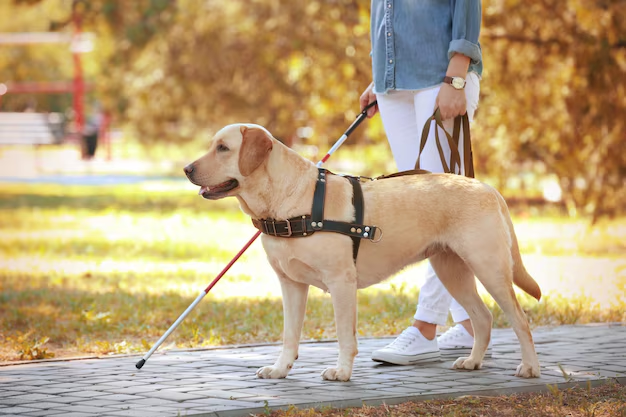
What to Do Before You Get a Service Dog

Traveling With a Service Dog: What You Need to Know

How Veterans Get a Service Dog: The Real Steps and Timeline

What the PAWS Act Does for Veterans and Their Service Dogs

What PTSD Service Dogs Do and How They're Trained

What You Need to Gather Before Applying for a Service Dog as a Veteran

Where to Find and Work With Service Dog Organizations for Veterans

Where Service Dogs Are Allowed and What Rights You Have

Service Dogs vs. Emotional Support Animals: What the Law Actually Says

How Long It Takes to Get a Service Dog

How Service Dogs for Veterans Work: Programs, Costs, and What to Expect

What Service Dog Benefits Veterans Can Access