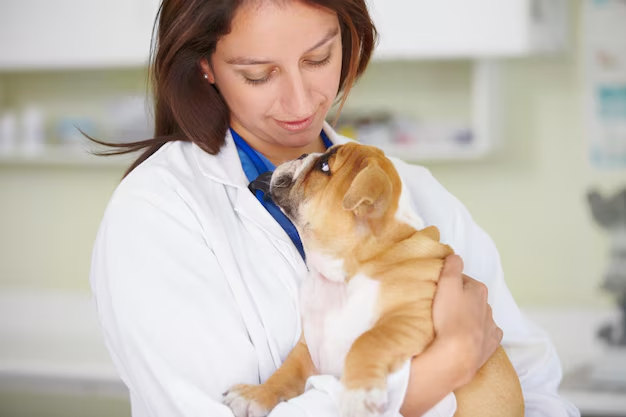
Essential Pet Health Basics Every Dog and Cat Owner Should Understand
Bringing home a dog or cat is exciting—but it also comes with serious responsibility. Your pet depends on you for everything, from nutrition and exercise to medical care and safety. Understanding a few core pet health basics can help your dog or cat live a longer, happier life—and help you avoid stressful, expensive emergencies.
Below are the fundamentals every pet owner should know, plus practical tips for planning ahead, including how to handle the financial side of pet care.
1. Building a Strong Health Foundation: Vet Visits and Vaccines
Routine veterinary care is the backbone of preventive pet health.
Regular checkups
Most healthy dogs and cats should see the vet at least once a year, and seniors or pets with chronic issues may need visits every 6 months. These exams help catch problems early, such as:
- Dental disease
- Obesity
- Arthritis
- Heart, kidney, or liver problems
Early detection usually means simpler treatment and lower costs than waiting until a condition becomes an emergency.
Core vaccines
Work with your vet to keep vaccinations current. Common core vaccines include:
- Dogs: Rabies, distemper, parvovirus, adenovirus
- Cats: Rabies, panleukopenia, calicivirus, herpesvirus (FVRCP)
Non-core vaccines (like Bordetella for dogs or FeLV for some cats) may be recommended based on your pet’s lifestyle.
Tip: Ask about low-cost vaccine clinics, wellness plans, or community programs if you’re on a budget.
2. Nutrition: What (and How) You Feed Matters
What you put in your pet’s bowl can shape their health for life.
Choosing the right food
Look for complete and balanced food appropriate for your pet’s:
- Species (dog vs. cat—never feed cat-only diets to dogs or vice versa)
- Life stage (puppy/kitten, adult, senior)
- Size and activity level
Cats are obligate carnivores and need higher protein and certain nutrients only found in animal products. Dogs are more flexible but still need properly formulated diets.
Avoid fad diets or extreme “homemade” plans unless guided by a veterinary nutritionist.
Portion control and weight
Obesity is one of the most common—and preventable—pet health problems. Extra weight raises the risk of:
- Diabetes
- Joint pain and arthritis
- Heart and respiratory issues
Use a measuring cup or kitchen scale, and ask your vet for a target weight and calorie range. Treats should typically be no more than 10% of daily calories.
3. Everyday Wellness: Exercise, Enrichment, and Mental Health
A healthy pet is not just physically fit—mental stimulation matters, too.
Dogs
- Aim for daily walks suited to your dog’s age and breed
- Include play like fetch, tug, or scent games
- Consider training sessions as “brain work” that also strengthens your bond
Cats
- Use interactive toys like feather wands and laser pointers
- Provide vertical spaces (cat trees, shelves) and scratching posts
- Rotate toys to prevent boredom
Bored or under-stimulated pets may develop behavior problems, which can lead to household stress—and sometimes costly damage.
4. Parasite Prevention: Fleas, Ticks, and Worms
Parasites can spread disease, cause discomfort, and even threaten your pet’s life.
Common threats
- Fleas: Itching, skin infections, tapeworms, anemia
- Ticks: Lyme disease and other serious infections
- Heartworms (dogs and sometimes cats): Potentially fatal heart and lung disease
- Intestinal worms: Vomiting, diarrhea, weight loss; some can infect humans
Use veterinarian-recommended preventives year-round, especially for heartworms in dogs. Over-the-counter products vary in safety and effectiveness; always confirm with your vet before using them.
5. Dental Care: Not Just About Bad Breath
By age three, most dogs and cats already have some level of dental disease. Left untreated, dental issues can lead to:
- Pain and difficulty eating
- Tooth loss
- Infections that may affect the heart, kidneys, or liver
Helpful habits include:
- Regular tooth brushing with pet-safe toothpaste
- Dental chews or diets approved for dental health
- Professional cleanings under anesthesia as recommended by your vet
It’s easier—and often cheaper—to maintain dental health than to fix advanced problems.
6. Recognizing Early Signs of Illness
You know your pet best. Subtle changes can be the first sign something is wrong.
Watch for:
- Changes in appetite or thirst
- Sudden weight loss or gain
- Vomiting or diarrhea lasting more than a day
- Lethargy or hiding
- Difficulty breathing or coughing
- Changes in urination (frequency, accidents, straining)
- Lameness, stiffness, or reluctance to jump
- New lumps, bumps, or skin changes
When in doubt, call your vet. Early intervention often improves outcomes and can help avoid an expensive emergency visit.
7. Planning for Pet Health Costs and Financial Stress
Quality care can be expensive, especially during emergencies. Planning ahead can protect both your pet’s health and your financial stability.
Pet health budgeting basics
Consider building a simple pet health budget that includes:
- Routine exams and vaccines
- Monthly parasite prevention
- Dental care
- An emergency fund for unexpected illness or injury
Even setting aside a small amount each month can make a big difference when a surprise vet bill arrives.
Financial assistance and protection options
If money is tight, you’re not alone—and you still have options:
- Pet insurance: Helps reimburse eligible medical costs; best started when pets are young and healthy.
- Wellness plans: Some clinics offer bundled preventive care for a flat monthly fee.
- Charitable or nonprofit aid: Local rescue groups, humane societies, or pet-focused charities sometimes offer financial assistance or vouchers for low-cost spay/neuter and basic care.
- Payment plans or financing: Some veterinary practices work with financing providers or allow structured payment plans—helpful if you’re managing debt or limited cash flow.
If you’re already dealing with broader financial strain—like credit card debt, medical bills, or trouble covering basics—it may be worth exploring:
- Budget counseling or debt relief strategies
- Government or community aid programs that free up funds for essentials, including pet care
- Responsible use of credit solutions only when you have a clear plan to repay them
Taking care of your financial health supports your ability to take care of your pet’s health, too.
8. Safety at Home and on the Road
A few simple steps can prevent many accidents:
- Keep toxic foods (chocolate, xylitol, grapes/raisins, onions, alcohol) out of reach
- Store medications and cleaning products securely
- Use pet-safe plants; avoid lilies around cats
- Provide ID tags and microchipping for dogs and cats
- Use secure carriers and seat-belt harnesses for car travel
Preparing for emergencies (like natural disasters or sudden evacuations) with a pet go-bag—including food, medications, and medical records—adds another layer of protection.
Caring for a dog or cat goes far beyond food and love. By staying on top of preventive care, watching for early signs of trouble, and planning for the financial realities of pet ownership, you give your companion the best chance at a long, comfortable life by your side.
Related High-Value Topics and Categories to Explore
| 🐾 Category | What It Covers | Why It Matters |
|---|---|---|
| 🩺 Pet Insurance & Veterinary Financing | Policy types, coverage limits, how to compare plans, vet payment options | Helps manage large or unexpected vet bills without derailing your budget |
| 💳 Credit Card & Payment Solutions for Pet Expenses | Using credit wisely, promotional financing, avoiding high-interest debt | Useful when facing urgent care costs and limited cash on hand |
| 🧾 Debt Relief & Budgeting for Pet Owners | Consolidation, payoff strategies, building an emergency fund | Keeps overall finances stable so you can afford ongoing pet care |
| 🏛️ Government & Community Aid Programs | Local assistance, nonprofit help, low-cost clinics, vaccination events | May reduce out-of-pocket costs for basic pet health needs |
| 🚗 Pet-Safe Travel & Automotive Essentials | Car restraints, carriers, road trip checklists, travel insurance | Protects pets during travel and prevents costly accidents or injuries |
| 🐶 Dog Training, Behavior & Enrichment | Obedience, socialization, mental stimulation tools | Reduces stress-related issues, property damage, and behavior-driven surrenders |
| 🐱 Cat Care, Indoor Enrichment & Litter Box Health | Litter habits, stress reduction, multi-cat household tips | Helps prevent medical and behavior problems that can be costly to address |
| 🏠 Pet-Proofing Your Home & Insurance Considerations | Safety upgrades, homeowners or renters insurance and pets | Lowers risk of accidents, liability issues, and unexpected expenses |